The Longitude Act


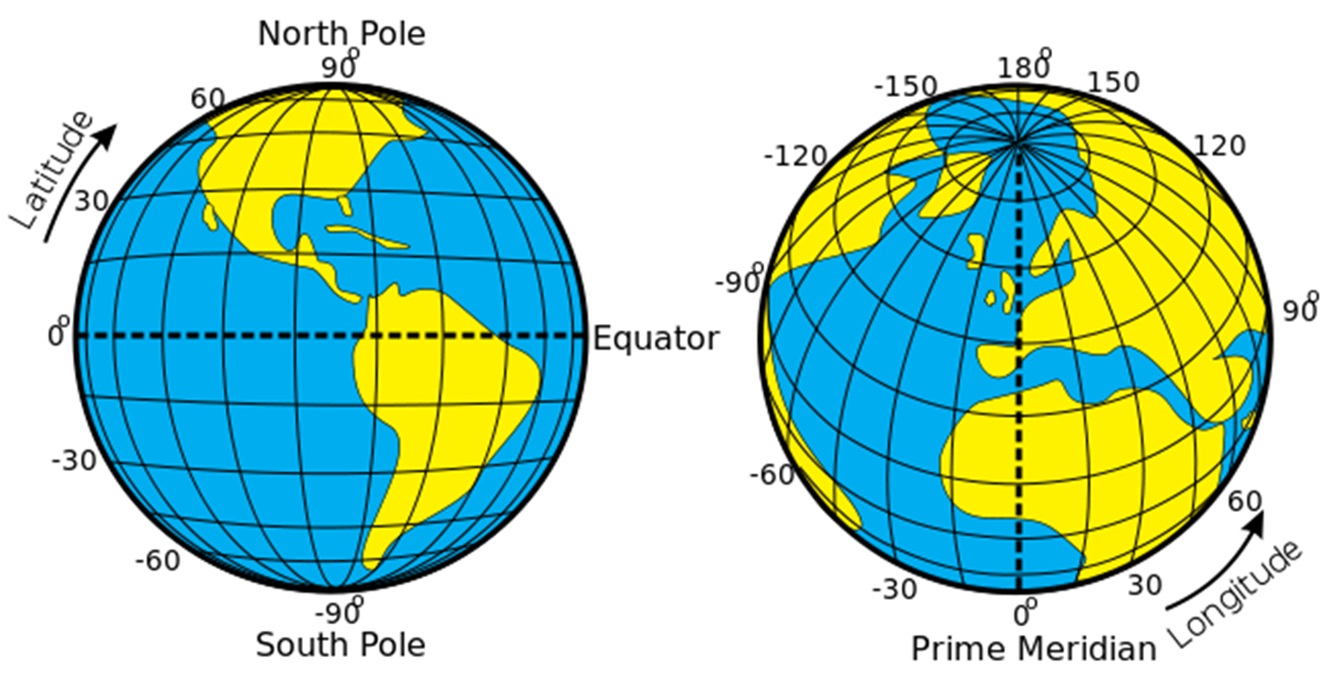


When the Association and her fleet wrecked off the Scilly Isles on 23 October, 1707, the navy lost some of its best men and most important leaders, as well as huge quantities of gold and silver. The Admiralty agreed something had to be done to improve navigation at sea, and in particular how sailors could find their longitude.
On 8 July, 1714, three-hundred years ago this year, the Longitude Act was established by Parliament and set up a £20,000 prize to go to the person who could provide longitude within half-a-degree (2 minutes of time). A body known as the Board of Longitude was set up to administer and judge the longitude prize.
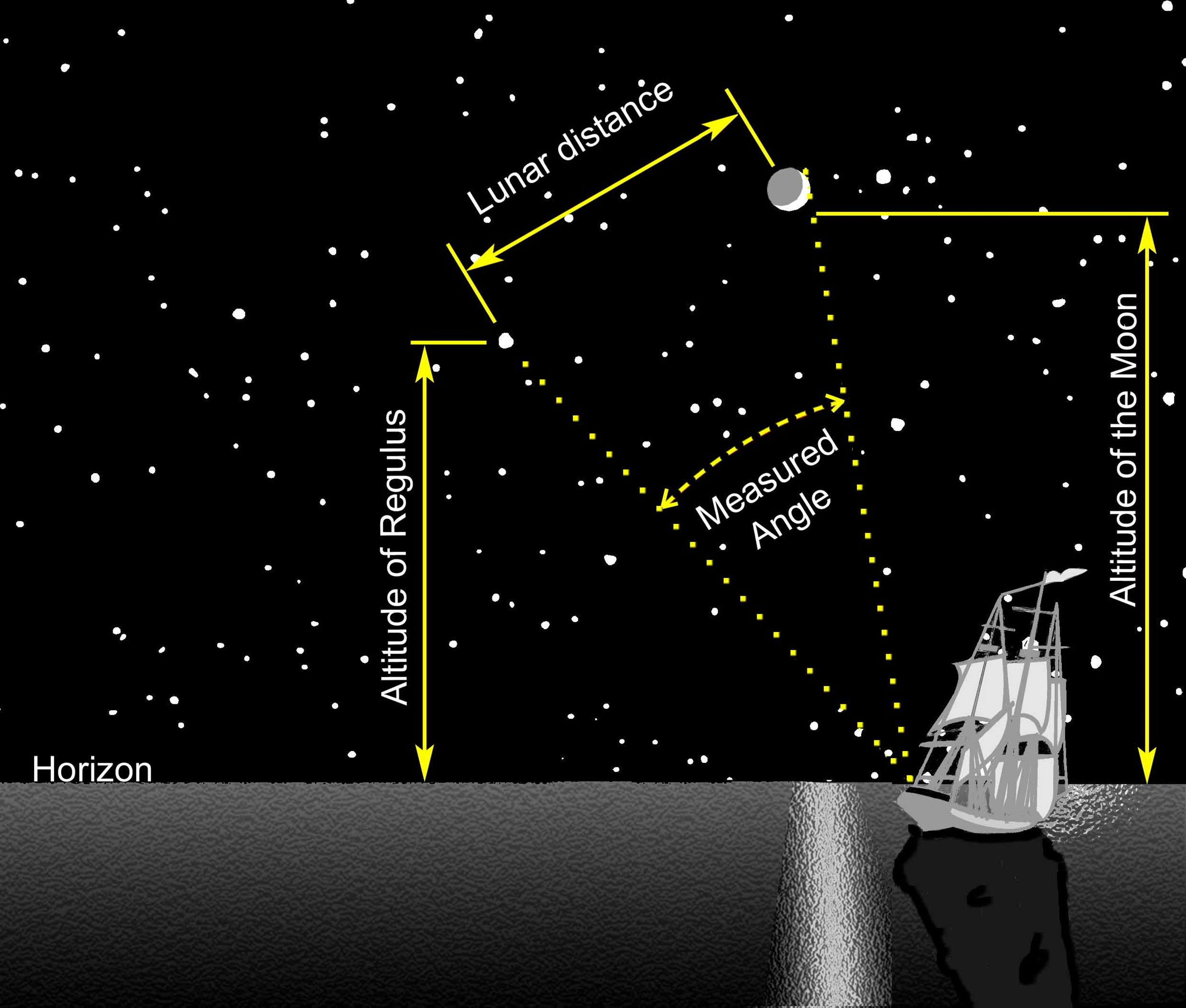
The first method for finding longitude was the ‘Lunar Distance Method’. It argued that a sailor could use the Moon as a natural clock to calculate Greenwich time by performing several complex measurements of distance. Sadly, this method was much too complicated for the average sailor to use.
The second method was called the ‘Timekeeper Method’. It worked through a sailor comparing high noon at sea to the time on his clock (set to Greenwich Mean Time). By finding the difference in time, he could calculate his longitude. This method was very easy, but it required an extremely accurate clock that wouldn’t be affected by the sea.
John Harrison was a working class joiner who developed an obsession with high-precision clocks. Between 1730 and 1759, he produced three timekeepers, H1, H2 and H3, large clocks that had special mechanisms to compensate for the motion of the sea, but they were not accurate enough. In 1760 Harrison produced H4, a timekeeper that resembled a large pocket watch. In six weeks, it was out by just five seconds, an accuracy three times better than that required to win the £20,000 prize.
In 1772, Harrison finally received the recognition and prize money he deserved after King George III intervened on his behalf. In the meantime Captain Cook had embarked on his second voyage of discovery with a copy of H4 known as K1, which he referred to as “our faithful guide through all the vicissitudes of climates”.
Harrison’s chronometer now gave British sailors an accurate method of measuring longitude, which allowed the Royal Navy to dominate the seas and ultimately establish the British Empire.
To find out more about the race for finding longitude, please follow the links below.
http://cudl.lib.cam.ac.uk/collections/longitude
http://www.rmg.co.uk/explore/sea-and-ships/in-depth/board-of-longitude


No Comments
Add a comment about this page